- Scopely launches LevelUp, a multiplayer gaming platform [PocketGamer]
- PocketGamer releases its top 30 Chinese mobile developers of 2012 [PocketGamer]
- Top grossing iOS developers of 2012 include, Supercell, EA, Disney, and others [PocketGamer]

Last month saw Breaktime Studios step up to the plate after Kiloo Games kicked things off in October. Rounding out 2012 with yet another stellar developer partner is Get Set Games, the maker of the fantastically addictive “Mega” series and one of the best licensed games we’ve seen on the App Store with Monsters, Inc. Run.
We’ve once again partnered with PocketGamer.biz to shed a bit more light on our Developer Spotlight. They sat down with Nick Coombe, co-founder of Get Set Games to discuss their partnership with Disney, why they love Chartboost and quite a bit more.
Question: Get Set has always been a fairly indie-minded studio so what was your first reaction when Disney approached you?
Nick Coombe, Co-Founder, Get Set Games: Our goal has always been to make the games that we want to make, and to grow carefully and steadily building up our own IP. Mega Run, Mega Jump and our little red hero Redford are strong games and characters that we want to build on, and we had, and have exciting new plans for those games. That was our roadmap, alongside plans for other new projects, just after we launched Mega Run at the end of May.
The Disney Pixar proposal came out of the blue and caught us by surprise in the summer after we’d launched our first update for Mega Run.
There are so many horror stories about little guys working with big companies that it did give us pause. On the other hand Keith and Natalya at Imangi had a good experience working with Disney, and Temple Run: Brave did (and is still doing) very well for them. Disney also has a very successful track record on the App Store, so we knew we’d learn a lot from the collaboration.
Secondly, we’d be using Mega Run as the base for Monsters, Inc. Run, so that was a known quantity. If the proposal had been to create a brand new game, the decision would have been much harder. We figured the tie-in could also only help get more visibility for Mega Run in the long run, as it were, so that would be a good thing.
Third, the game was targeted for release around the launch of Monsters, Inc. 3D, so that meant an 8 week (at the time) dev cycle! It seemed slightly insane to try and produce a Disney/Pixar quality game under that pressure, but at the same time it meant we weren’t looking at carving half a year out of our in-house dev time. If the project didn’t work out, we wouldn’t have lost too much time.
The last hurdle really was in finding out how the partnership would work. As it turned out Disney was straightforward and put us very much on an equal footing with them for the development of the project, even to the extent of giving us the lead on how the game was designed and developed. Disney put their trust in our ability to execute on the project and make the core decisions on gameplay, features and design, so we felt ownership of the project, which was crucial for us. Bart Decrem and Ed Baraf at Disney really helped seal the deal because it was clear that they were excited about the project and that they trusted us to be able to do a good job with the game, which I think we did, judging by the reviews for Monsters, Inc. Run.
Given your success with Mega Jump and Mega Run, what’s the reason to work with a company like Disney? Is it just the cash?
As much as we all love Monsters, Inc. and Pixar in general (we’re all big fans of the studio), and the idea of working on a game based on the movie was really exciting to us, we were hesitant at first. Like many indie companies that have done well, we’ve had pressure to sell the company, or work with publishers and what have you. We’ve always turned down those offers because, as lucrative as they might have been in the short term, they were counter to our goal of owning our work and our future. When the Disney offer came along, we discussed the pros and cons as a team, and debated about whether it would be good for us and our other projects – after all, this would be an outside company telling us what to do and how to do it. Or so we might have thought.
As we learned more about the proposal, and the fact that this would be a partnership, not a white-label deal, and that we would be able to design the game as we saw fit, and that the guys at Disney Mobile were just as passionate (and nerdy) about games as we are, then the equation changed.
One draw was the fact that, as a small company in equal partnership with Disney for this project, we knew that this would help shine a spotlight on us and get visibility for our own games, and that could only be a good thing. That was predicated on making a good game, however, and we wouldn’t be satisfied with just creating a phoned-in movie-licensed game, so our highest priority was to make the best game we could in the time we had. If people liked it, it would help our other games as well, and I think we achieved that.
Yes, the potential revenue was good (although not guaranteed, especially if the game was terrible) – that shouldn’t to be discounted, but we’re quite comfortable as it is with our own games. The biggest benefit for us in the long term was that we knew we would learn a huge amount from the partnership and the process. Disney Mobile has had a string of hit games with Where’s My Water, Where’s My Perry, Tap Tap Revenge (with Tapulous), Temple Run: Brave etc. They know what they’re doing, and we still have a lot to learn in terms of process, production, promotion, you name it. And learn we did.
Creating Monsters, Inc. Run was a formative experience for us. It validated a lot of what we’ve learned over the past year working on Mega Run, and it taught us a lot about scheduling, quality control and teamwork that will prove to be invaluable in future. Mostly though, it proved to us as a team of 10 that we could turn around a project we could be proud of in 10 weeks with minimal changes to our original plan. That was a big success for us.
Get Set has always been quick to experiment with business models - F2P, Kiip, Chartboost etc so what’s your current thinking about how small studios can monetise best across iOS and Android?
The market is always changing, so there’s never one surefire way to make money on the app store. That being said, it looks like free to play is here to stay (and that’s all I have to…say?). This is especially true on Android, where paid games tend to suffer. We actually can’t say enough good things about the reach and inclusivity that free to play brings.
Paid games have a place – it’s how games have always been sold until now, and should be an option even for smaller devs, although it is a tougher market to crack when you’re just starting out. There’s also an element of prestige that goes along with paid games (even at 99c or 69p!), that free games somehow lose out on. We’re excited to have created a paid game in the form of Monsters, Inc. Run; we think it’s appropriate and that the game can compete with the other big games on the paid charts since Monsters, Inc. Run features well-loved characters and is based on a well-loved game, so people know it’ll be a good purchase.
Here’s where I come out swinging for the free to play option though: paid games are a gamble for players. They are like an exclusive club with an entrance fee, and a lot of people aren’t willing to take the risk to get in, which is understandable. Free games, on the other hand, have to live or die on their own merits, since players can figuratively walk away. There’s no barrier to entry, which also means free to play games are more inclusive, and can reach far, far more people. I think it’s important to emphasize the positives of free games for small devs, because the reach can be so crucial, especially when you’re just starting out, and if you do it the right way.
We love the fact that kids who have run out of pocket money (or are saving it for something else) can still download and play our games, and we don’t care if they don’t pay a penny. If players like our games, they’ll tell a friend or two and we’ll reach more people and make more people happy, and in the end we’ll generate more revenue that way and grow a huge and happy fan base to boot. Like most free to play games, a tiny fraction of players actually pay any money for, or in, our games. And that’s fine.
What it means though, is that we can’t aggressively promote our games by throwing money around. There’s no ad budget for free to play when it costs more to get a player to download your game than you’ll ever make back from them. Networks like Chartboost have been invaluable for us in that regard. Using Chartboost we’ve been able to cross-promote with other partners via click-exchange, essentially, and reach huge numbers of people via a quid-pro-quo arrangement with developers we work well with. Chartboost also generates healthy revenue for us via interstitials that we run (very minimally) in our games.
We also run opt-in video ads from Flurry, Ad Colony and Vungle that work well for us. The nice thing about those is that players never have to see them unless they choose to, but they still generate good revenue, so everybody’s happy.
Kiip has been great for the feel-good factor, and they’ve run some great competitions (including Guinness Book of Records attempts and some big-prize giveaways), giving out real-world prizes willy-nilly to our players for doing well in the game, which players really seem to like!
We’re always on the look-out for ways to promote our games with a zero dollar budget, and generate revenue in ways that aren’t awful or force the player to pay for things they shouldn’t have to. We could probably make more money by being more aggressive with our IAP or in-game advertising, but we’re gamers and we hate that stuff too, so we try to keep it respectful and appropriate, so that players know that they have a choice and so that the IAP or monetization options don’t get in the way of the game, which always comes first.
How active are you in terms of metrics/analytics and feeding back results into your games?
We do generate a lot of anonymous data from our games, which has been very useful, but to be honest we think we could do more with it. Next year we’re going to be more pro-active with our data to try and improve our games (for instance to see where people are struggling, or what feature players use the most). We’ve already started making changes to our games based on some of the metrics, and to put the focus of new feature updates on to things that players will appreciate the most.
How important is cross promotion between your games and can you pony up any numbers that back up your no-doubt positive general assertions?
Cross promotion is really our best bet as far as free to play goes, and we rely on it along with word of mouth to gain new players. It’s one of the few viable options for small company giving away games for free. We used to cross-promote “manually” using our home-brewed system for a while, and that worked quite well, but over time we noticed that this upstart company called Chartboost was making a bit of noise among developers we worked with so we looked into it. Hooking in to the Chartboost network has really helped to take a huge amount of the legwork out of the process, which saves us time and money. We don’t have a marketing department. We have one guy, so that really helps. In general, on a weekly basis we send hundreds of thousands of clicks to and from our games via cross promos, so yes, it’s effective!
What are your plans for 2013? Is it time for a new Mega game yet?
Well at least one of our games is getting a little long in the tooth, so we’re about overdue for a jump-start there perhaps. 2012 was a phenomenal year for Get Set, and we think 2013 could be even better, including for Android players, who have been neglected for too long! We’re very excited for what we have planned.
There’s one question just about every game developer asks us when discussing how to succeed in the Chartboost network, and that is: “What makes an effective interstitial that will attract users?” While there’s no hard and fast science, we thought it would be helpful if we highlighted some of the best-performing (highest click-through rates) interstitials on our network each month and provided some insight into why we think users liked them.
Each of these creatives had a click-through-rate of at least 27% in our network for the month of December.
Without further adieu, here are the top three creatives (click the images to view larger versions) for December 2012:
If you have any questions on creating effective creatives, feel free to reach out to support@chartboost.com. See you next year (month) and Happy New Year!
Check out past installments for more information:
Top Chartboost Creatives: October 2012
Top Chartboost Creatives: November 2012
The day after Christmas, after emerging from my eggnog coma, I decided to check in on our stats and take a look at which devices grew the most over the holidays in the United States. I pulled our count of unique users by device for Christmas Day versus the seven days before Christmas to see which devices saw the most growth. There were a few very interesting points!
Android and iOS grew roughly the same amount. Overall, the percentage increase in unique users on Android and iOS was almost identical… So neither one seems to have blown the other out of the water in terms of Christmas gift sales.
Tablets Dominated. When I looked at the top 10 devices by percentage growth (that is, relative to their user base before Christmas), the list contained 9 tablets, 1 iPod touch, and zero smartphones. This strongly suggests that tablets were the technology gift of choice this holiday season.
iPad Mini was Top Tablet. The tablet with the biggest number of additional users was the iPad Mini. It was no surprise to me to see Apple’s beloved tablet blowing away the competition at a new, lower price point. Overall, we saw 283% more (that’s 3.8x more) iPad Minis on Christmas day as we had on average over the previous seven days. I, for one, spent all day on Christmas playing Candy Crush Saga on my iPad Mini.
…But the Kindle Fire saw the greatest percentage growth. While the iPad mini had a larger total number of new users, the Kindle Fire line saw the greatest percentage growth with over 400% more devices on Christmas day (averaged across all three of its new models). This is, of course, great news for Amazon game developers who are looking for larger audiences.
Other tablets with a large percentage growth were the Samsung Galaxy Tab 7” Wifi, the 4th generation iPad, and the 2nd generation iPad (which I had almost forgotten was back on the market). The 5th generation iPod touch also saw huge percentage growth, as the only non-tablet in the top 10. All in all, it was a huge day for new devices sales which will inevitably translate into larger audiences for all of our game developers!


Maria Alegre, Chartboost CEO
Dear Developers,
2013 is going to be an amazing year and we want to start it off with some really exciting news - we’ve raised $19 million and are partnering with Sequoia Capital!
What we’ve all achieved in the last 12 months is incredible and you’ve been a huge part of this. Together, we’ve built the #1 games network in the industry, reaching more than 300 million monthly active devices and powering six billion game sessions per month.
It’s about the Community
We built Chartboost to empower you to succeed and our growth would not be possible without our awesome community. You gave us your trust and helped us build our company; we hope we’ve made you proud so far and we are excited about the road ahead.
Powering the Mobile Game Economy
We chose to address one very strong pain point to get started: app discovery. Before founding Chartboost we were frustrated by the lack of transparency and control available to us as game developers – we could only see some of our data and couldn’t collaborate directly with other developers.
Two years later, we’ve built a large, transparent and collaborative network spanning 12,000 games. This is the single most powerful asset that a mobile gaming company can use to build their business – because it harmoniously introduces the right players to the right games at the right time. We see Chartboost as the mobile gaming highway, connecting cities, enabling commerce.
Sequoia, and what this means for you
As you probably know, Sequoia is one of the leading VCs in Silicon Valley. Over the past 40 years they’ve partnered with iconic companies ranging from Apple, Atari and EA all the way to recent innovators like Airbnb, Dropbox, Square and Unity. Jim Goetz, who is joining our board, was also on the board of Admob, the leader in the first generation of mobile advertising companies.
We are the second generation – we see the world through new eyes with a different perspective. You’ve all seen that in how we value transparency, control and user experience in products like the Direct Deals Marketplace.
Today’s news means that Chartboost is here to stay, here to build a powerful and long-lasting partnership with you, here to drive the industry into the future and here to make everyone more successful. We have some top-secret plans for 2013 and we can’t wait to share them with you.
To make these plans a reality, we need help. We’ve moved into a shiny new office in downtown San Francisco (the paint is still wet on our new ping pong table) and we’re hiring. A lot. Come join the fun!
We look forward to building a bigger and better future, 2013 here we come!
Best,
Sean and Maria

Who is Jose Antonio and what do you do at JanduSoft?
My name is Jose Antonio Andujar and my friends often call me Jandu, that’s why the name of my company is JanduSoft. I graduated from Computer Engineering school in 2007 but I’ve been passionate about computers since I was a kid. I’ve always enjoyed doing computing projects like Robots (DSRobot) for DS homebrew games (follarium), etc.
JanduSoft is currently just me, so I get to do everything: programming, marketing, design, business management, web design, web administrator, etc … I’ve outsourced very few parts of the game development, just the graphic design mainly.
How did the company start?
In 2011, I was working in a company and was fired along with most of my colleagues. It was the first time I was fired from a job and that made me think I had to move forward and make a personal project. I started developing ”Guess the Character” by myself, but in less than one month found a job, leaving the game unfinished.
Since I could only dedicate my free time to the development, it took me four months to finish the first version of the game and I launched it in June 2011. It only got 100,000 downloads in a year.
In April 2012 I decided to make a re-skin of the game. I was aware that the graphics were bad since I made it with Photoshop and I’m not a graphic artist, so I hired a graphic designer and wrote a press release.
Then in June 2012 my game climbed up in the App Store ranks and became # 1 in many countries, including the US. Guess the Character has now been downloaded by almost 6 million people.
And that is how JanduSoft was born.
The latest version of Guess the Character was a hit, what were the keys for that success?
Perseverance was crucial in my experience. Most people say that if your game doesn’t fly, you should think about your new project. I was the exception. Even though the first version was not a hit, I invested resources to make it better and I was rewarded in the end.
<
p>Here’s a video of the first version and here’s the improved version.
What’s the revenue model of your games?
My games are free with advertising. Users also have the option to unlock the ads and get in-app items.
What are your main goals for 2013?
I have a hardware project for tablets under development and I hope to finish two social games this year.
For a small developer like you, what are the main challenges to stand out on the App Store and build a company around your games?
The biggest challenge is getting visibility. You need to spend money on advertising and marketing which is something most small developers can’t do.
If you want to have a chance to succeed, you’ve got to be innovative. Small developers, more than anyone else, need to create new experiences and develop products that don’t exist to stand out from the crowd.
What piece of advice would you give to other indie developers who want to build a business on the App Store?
As I said, the key to success lies in being persistent:
And above all, indies need courage. There will be very hard moments that make you think about quitting. Be strong and continue until you reach your vision.
Happy New Year, everyone! After last week’s big news we’ve now returned with our sixth installment of everyone’s favorite series. The aim of What We’re Playing is to shine some light on games that might otherwise go unnoticed and to give you a peek into our twisted definition of “fun” when it comes to mobile games.
One thing to note: While we here at Chartboost truly do love our game developer partners and play just about every game that uses our technology, not every game you see here will be a partner title. This is what we play when we’re home from the office with our feet up on the couch looking for a bit of gaming R&R.
Have a game we should be playing but aren’t? Tell us about it @Chartboost.
Playing Tilt to Live by One Man Left Studios
 An oldie but a goodie, this tilt-based game has had me hooked since the days before I had a smartphone when I would ask my friends to let me play on their phones. With five game modes, there is enough to keep you entertained for a long time, but the basic object is to tilt the arrow around the screen to destroy the red dots using the various power ups. This game is very fast-paced and challenging, and it has unique and entertaining commentary in all of the load screens. The only downside is that since this game relies on very precise tilts, playing in a car or on a subway is extremely challenging.
Nate Barker - Publisher Relations Manager
@kneyght
Playing Middle Manager of Justice by Double Fine Productions
 I’m tired of super heroes getting all the credit. Seriously, anyone can don some ill-fitting spandex and throw themselves in the way of a few villainous punches. Nowadays, real talent lies in developing the budding Batmen and sophmoric Superwomen of today into the venerated vindicators of tomorrow. Middle Manager of Justice allows you to accomplish just that. The game borrows elements from simulation games like Hayday and RPGs like Pokemon. In the game you hire, train, and deploy super heroes to crime hotspots. Along the way, you fight evil bosses, collect coins to upgrade your team, and clean up the town.
The real trick is managing the time of multiple heroes, who often join the organization at different experience levels. You also get to upgrade yourself (the manager) with fun abilities like “Pep Talk” and “Paradigm Shift.”
This fun title could use a little more story overall, but the hours spent vanquishing evil and perfecting my super-team kept me extremely entertained.
Sachin Goel - Coding Things and Eating Wings
@sachingoel
Playing Earn to Die by Not Doppler
 Earn to Die is not the first game to get on the zombie-crazed bandwagon, however it brings an interesting take of the genre to the table and kept me entertained for a couple of days. The game starts out in a zombie infested West Texas and challenges you make your way to the escape location in Washington State by plowing over said zombies with increasingly violent vehicles and guns over a series of levels. Unfortunately, the game is rather short but there is an option to replay the levels with the modified cars that you acquired during the game. Earn to Die is definitely worth the buck if you need to satisfy your zombie slaying cravings.
Boram Lee - Korea Account Manager
Playing Anipang for Kakao by Sundaytoz
 It’s the game that attracted huge attention (#1 in Korea for longest time) and also made the SMS platform Kakao Talk become profitable and popular among Korean game developers. The game itself is simple - it’s a casual puzzle game where you match 3 or more identical characters by moving characters left, right, up, or down. Each game is limited to only 60 sec. You have to move your fingers fast to score highest possible points in the given timeframe. It’s also fun as you get to compare with your friends’ score and you can also send heart-shaped bonuses to your friends - some people even use it to reconnect with their exes…
Cori Savaiano - Publisher Relations Manager
@crunkboost
Playing Hungry Shark Evolution by Future Games of London
 I’ve been pouring hours of “research” this week into Hungry Shark Evolution. In the game, you’re a ferocious shark roaming the dark depths and sea shores for schools of fish, sea turtles, and sun bathing tourists to satiate your appetite. Too long between a meal and you’ll starve to death. As you progress, you can level your tiny reef shark up through tiger sharks and finally, the great white. But really, this game is all about eating tourists.
Nate Ahearn - Marketing Manager
@Nate_Ahearn
Playing Temple Run 2 by Imangi Studios
 The first Temple Run was largely responsible for starting the endlress runner craze that still permeates the mobile gaming world today. It may not have been the first of its kind, but it sure was the best. Now Imangi is back with a new rendition, and while it doesn’t turn the endless runner on its head, there’s no doubt that it’s a much prettier, more refined package than the first time around.
The first thing that will strike players is the visual upgrade. It’s a true leap forward with enhanced lighting, some very nice texture work and - get this - paths that actually curve and change altitudes. Not exactly mind-melting material, but it provides enough differentiation from the first to warrant the entry fee of zero dollars. Just when you thought you’d never have a reason to delete the first Temple Run from your phone, Imangi gives us the best reason yet to do so.
Thanks for reading! Check back in two weeks for our next installment of What We’re Playing! Until then, be sure to hit us up on Twitter @Chartboost.
My first trip to Silicon Valley was life-changing. I came following an intuition: I wanted to get to know the place that asked “why not?” The place that empowered entrepreneurs to follow their vision, build legendary companies, and change the world. Once I got here, I was seduced and had to stay.
Today, we are excited to announce Chartboost University: Boot Camp, a program to show the world the energy of Silicon Valley. We’re inviting the international game developer community to experience the mobile game industry and startup culture in San Francisco. We hope to inspire many others to follow their passion, build lasting companies and make their dreams come true.
What Is It?
We’re welcoming seven international teams of two-to-four people to come to Chartboost’s office in downtown San Francisco for the ten days before GDC, to learn from the best minds in our industry, visit some of the most legendary tech companies in the Bay Area and work on their games from the Chartboost headquarters in the heart of downtown San Francisco.
We are also giving each team $6,000 USD to help with their AirBnb’s and plane tickets.
Why Is It Awesome?
Other than the free trip? :) - Silicon Valley has been home to more successful technology startups than any other place on the planet. From Apple’s Steve Jobs and Google’s Larry Page & Sergey Brin to Facebook’s Mark Zuckerberg and Twitter’s Jack Dorsey, it’s no coincidence that so many success stories come from the Bay Area. This is your chance to experience what makes The Valley special and get a look at what it takes to make it in the world’s startup capital.

Our group of lucky winners will have the opportunity to learn from Get Set Games, Kabam, Kerosene Games, Pocket Gems, Sequoia Capital and many more. You’ll learn best practices in level design, art design, analytics, backend infrastructure, QA, raising money, publishing do’s and don’ts, and several other topics in more than 15 sessions. And the fun will continue the week after with GDC, the must-attend event of the year.
What’s The Catch?
There is no catch. Seriously. We won’t accept equity in your games, you don’t have to integrate our technology and the payment isn’t an advance on future earnings. This is an opportunity to learn, be inspired and have fun.
Like we’ve always said at Chartboost: we’re trying to help game makers succeed in any way that we can. We hope this trip will give you the tools to do exactly that!
I Want That. But How?
Simple. Just click here, fill out the application form and we’ll let you know if you’ve been selected within a few weeks.
We hope to see you soon in SF!
—Maria Alegre
CEO and Co-Founder
We’re kicking off 2013 with one of our favorite developers from across the pond, Neon Play, located in Cirencester, UK. They’re behind iOS games like The Big Quiz series, Carpark Carnage, Traffic Panic London and many, many more.
Oli Christie, CEO of Neon Play, was nice enough to take some time to answer some of our questions about his company, his games, and he even imparted some knowledge to help other mobile game developers that are just starting out. Read on for all the juicy details.
Chartboost: What do you LOVE about making games?
Oli Christie, Neon Play: I always say to my team that if you can’t enjoying making games for a living, then you’re in the wrong industry or you need your head tested. Quite simply, we’re all just very lucky to have the skills to make games as it’s a wonderful job to have - hugely fun, very rewarding and always interesting. There aren’t many careers where you create products which have to be fun, so we’re blessed to be paid to do this.
I love the process of coming up with a good idea that is simple enough to be picked up quickly and addicitve enough to keep people coming back time after time. I love the art side of the process where the look and feel of the game seems right for the target audience and the game. And I love making a game playable and the feeling where you know you’ve cracked it.
What’s the most important thing you’ve learned about your users since you started Neon Play?
They’re unpredictable! When we started Neon Play in 2010, we had a strategy to build different genres of games for different users. Sports games like Flick Football and Golf Putt Pro; casual games like Paper Glider and Crazy Copter; shooting games like Bravo Force: Last Stand; and car games like Traffic Panic London.
The reviews you get sometimes make you proud of the work you’ve done, sometimes they make you angry with the sheer stupidity of what people are saying, and sometimes you get really valuable feedback. It’s filtering the important bits that is key.
But having had over 45 million downloads in under 3 years, it’s hugely rewarding that we’ve got our games into millions and millions of people’s hands all around the world.
As you’ve built your company, what’s the one special thing that makes Neon Play different from other gaming companies out there?
I believe our culture and ethos has helped us grow into a strong and close-knit studio in the untraditional gaming hub that is Cirencester in the Cotswolds in the UK.
When I started the company, I knew I wanted to build a company where people were the most important thing and we respected the fact that everyone, no matter how junior or senior, had good ideas - everything was up for discussion and the best idea would win.
Click here to read all about our company culture.
We also created a list of 10 reasons to join Neon Play, which included a posh bog roll guarantee, your birthday as a free day off, free beer on Fridays and we give 1% of our profits to local charities. These 10 reasons have proved really popular. Click here to read the full list.
If you could give one piece of advice to a game developer that’s just starting out, what would it be?
I think it’s the best job in the world when everything is going well, but I have to say that the mobile market has got hugely competitive in the last two years and without decent funding, a stunningly unique standout game or bucketloads of luck, it will be hard to succeed in 2013.
New starters need to thoroughlly research the market before they create a new game, work out ways to monetise a free game with a deep and long-lasting experiences and do all they can to get editorial coverage with Apple and Google, which are the two stores currently worth launching for.
What are the markets you’re focusing on? Any interesting trends you’ve seen when looking at users around the world?
To date, we’ve focussed on the main global territories and the majority of our games have only been in English. But our latest game will be translated into all the EFIGS countries, plus Russian, Chinese, Japanese, etc, so we will be truly targeting all markets.
Clearly the emerging BRIC markets are exciting new areas of growth, and Asia is an untapped market for us with monster potential, as is the whole booming smartphone market.
Why are you working with Chartboost? What makes us stand out from the rest?
Chartboost has created a service that is just what mobile developers were crying out for. The ability to cross-promote your own games, do install swaps with other developers, plus earn revenue from your inventory, which makes for a strong product.
On top of that, everyone at Chartboost we’ve worked with are friendly, decent, fun people and those are the sort of companies we like working with.
Give us a glimpse into one of your upcoming projects for 2013. What can people expect from Neon Play?
Well boringly, it’s all a little bit top secret, but we are working on a much larger game than we’ve ever done before and we truly believe it will make big waves in the mobile and games industry.
While we make that game, we are also working on a series of Big Quiz apps (launched through our sister developer Jick Jack) and these are starting to make some good traction. To date, we have the Big Movie Quiz, Big App Quiz, Big Celeb Quiz, with the Big Book Quiz about to launch as well. They’re a well-branded series of apps and we really hope and believe they will catch on.
Click here to see the Big Movie Quiz.
Big thanks to Oli and the whole Neon Play team for their time. Check back at the end of February for the next installment in our Developer Spotlight series!
There’s one question just about every game developer asks us when discussing how to succeed in the Chartboost network, and that is: “What makes an effective interstitial that will attract users?” While there’s no hard and fast science, we thought it would be helpful if we highlighted some of the best-performing (highest click-through rates) interstitials on our network each month and provided some insight into why we think users liked them.
Each of these creatives had a click-through-rate of at least 29% in our network for the month of January.
And now, without further adieu, I give you the top three Chartboost creatives for the month of January.
If you have any questions on making effective creatives, feel free to reach out to support@chartboost.com. See you next month!
Check out past installments for more information:
Top Chartboost Creatives, October 2012
Top Chartboost Creatives, November 2012
Top Chartboost Creatives, December 2012
The series everyone loves to love is back with its seventh installment! We’ve been busy this month with our Chartboost University: Boot Camp announcement as well as featuring Neon Play in our January Developer Spotlight.
For those that don’t know (shame on you), the aim of What We’re Playing is to shine some light on games that might otherwise go unnoticed and to give you a peek into our twisted definition of “fun” when it comes to mobile games. One thing to note: While we here at Chartboost truly do love our game developer partners and play just about every game that uses our technology, not every game you see here will be a partner title. This is what we play when we’re home from the office with our feet up on the couch looking for a bit of gaming R&R.
Have a game we should be playing but aren’t? Tell us about it @Chartboost.
Christine Lee - Business Development Lead, North America
@TheCircusCafe
Playing Fairway Solitaire by Big Fish Games
 I used to think card games were boring, and then I found Fairway Solitaire. The game has a catchy storyline with an adorable but obnoxious gopher that takes you through the golf course. If you play golf, you’ll see how the entire experience is as if you are on the fairway as you travel to various golf courses and holes around the world. Each hole is a game of Solitaire, increasing in difficulty and variety level by level- but scored similar to golf with techniques such as par, birdie etc. It’s highly addictive and I’ve been playing it for months now- not sure if I could ever get bored of this game.
Nate Barker - Publisher Relations Manager
@kneyght
Playing Infestor by Ravenous Games
 I spent my Middle School days dreaming I was an Andalite, shape-shifting into cool animals and battling Yeerks. If that sounded like gibberish to you, I recommend skipping to the next review. If your interest is piqued, however, then you will enjoy playing Infestor, the innovative puzzle game by Ravenous Games. In Infestor, you play the part of a brain slug that is trying to escape the clutches of an invading army of human colonists. The fun of the game is infesting (get it?) human characters to take advantage of their unique characteristics. The puzzles are fairly simple, save for level 57 which is technically impossible (and will require an update to fix).
Sachin Goal - Coding Things and Eating Wings
@sachingoel
Playing Whale Trail by ustwo
 Whale Trail is my all-time favorite mobile game. What’s not to like? The colors are HYPNOTIC. The music is so uplifting it will brighten you up on a bad day. The game play is pretty similar to other cave runners like Jetpack Joyride, but in this game the object is to continue scrolling to the right by collecting energy orbs and by avoiding evil storm clouds. The game even has a complimentary music video if you can’t get enough of the tunes!!
Yena Park - Graphic Designer
Playing Hanging With Friends by Zynga
 I have been playing this game for awhile now on both my old Android and now with my iPhone. One of the reasons I like this game is that it’s not an addictive mobile game but it keeps you occupied when you are waiting for a doctor’s appointment, on the bus, waiting on commercials, etc. I also like it because I get to learn words that I didn’t know existed by playing with others. For me, english is my second language, so it’s fun way to get to know some crazy words. My favorite part of playing Hanging with Friends is described by its name. I play with some smart ass friends who like to beat me and it’s exciting when beat them instead. The other way around too. Sometimes it’s fun to beat some same friends all the time and see if they can beat me this time. Also, on that excitement, it’s always fun to use chat interaction on Hanging with friends to throw some comment on each other. :) This is the game that always will be on my phone to play. :)
Nate Ahearn - Marketing Manager
@Nate_Ahearn
Playing Zombie Road Trip by Noodlecake Studios
 Zombie Road Trip is easily one of the most addictive games I’ve played on iOS, thanks in large part to its game mechanics and GameCenter challenge system. It’s an endless runner that combines Tiny Wings jumps with aerial tricks and weapons on the ground. The need to beat my friends has been a constant theme in my life and this game capitalizes on it wonderfully. I’m notified whenever a friend bests my score, thus making me want to hop back in the game and plow through some zombies, flipping my way to victory. The only downside is the feeling of loss that happens after you’ve been on a great run for 10 minutes, only to have the zombie horde catch up to you and fall short of beating a friend’s score.
Independent developers are the lifeblood of the gaming industry. Whether on console or mobile, they’re the ones bootstrapping their way to creating games in the hopes of one day making a full-fledged career in our business. While our monthly developer spotlight series takes a look at more well-established companies, we wanted to devote some space to the upstarts as well. That’s where “An Indie’s Tale” comes in.
Here we’ll look at developers that either have yet to release a game or have just one or two games on the market in the hopes of providing insights to others trying to make a name for themselves. This time around we chatted with Markus Pasula, Co-Founder and CEO of Grand Cru, a small game studio in Helsinki that’s been hard at work on their first game since 2011.
Chartboost: How did Grand Cru come to be a company? In comic book terms: what’s your origin story?
Markus Pasula Co-Founder and CEO: We are founded by 6 friends and former co-workers who have all been in various part of the gaming industry for the past decade. Together our founders have worked on and released well over 100 games! We wanted to form our own company to make the best possible tablet games with a focus on User Generated Content Gaming. We love games like Minecraft and Little Big Planet and wanted to make these types of games where the player becomes a key part of his/her and others game experience.
What’s your main goal for the games you’re making? Everyone wants to produce great, high-quality content, but what sort of niche are you trying to carve for your company?
We have seen that casual gamers love to express themselves in the games they are playing. Just look at Farmville - most players really customize their farm to show it of and express themselves. With The Supernauts we will launch our first game with a big focus on unleashing users creativity and letting them create their own worlds and creations in a way that has previously only been available in very “nerdy” and hard-core titles.
You guys have been around since 2011. What are a few key learnings you’ve gleaned from your experiences since then?
Focus, focus and focus! We initially planned to release The Supernauts on several platforms but following the tremendous success of many iOS focused companies (our friends Supercell being the best example) we early on decided to focus all of our efforts on iOS and in particular the iPads.
Another key learning is that it is really nice to have a big sauna in the office =)
How do you go about building a good team? What do you look for in new team members?
We have a strict “no assholes” policy - no matter how good you are you have to be a nice girl or guy to get to work with us. We want to maintain our indie roots so making sure that everyone wakes up with a smile every Monday morning thinking “yay - I get to go to work today!” is incredibly important.
Making a great game is one thing. Building a business around it is an entirely different story. What’s your strategy for building a company and products that last?
We are all experienced in F2P (free to play) gaming and have built our gaming platform to allow for the most powerful real-time analytics possible. Everyone in our company - from developer to marketer to management - will be working with our Analytics software on a daily basis to fully understand how people are playing our game and what makes them “tick”.
Give people a taste of what they can expect from your first game and when they’ll be able to get their hands on it.
The Supernauts will be released in Q2. Besides being absolutely gorgeous (retina graphics), the game is in full 3D with very simple and intuitive controls. Similar to Minecraft players can use any of our +70 materials to build and create completely unique worlds and buildings. The game supports live mulit-player so the social element will not only be limited to visiting other players and rating their creations - we will have live collaborative building as well as chat.
Thanks so much to Grand Cru and Markus Pasula for taking the time to answer our questions. Best of luck with Supernauts! Can’t wait to check it out!
 Holidays are an important time in the life cycle of a mobile game. Whether launching a new game or updating a past creation with new content, any holiday is a great time to lure in users with topical, top-of-mind content. Since Valentine’s Day is right around the corner, we thought now would be a great time to show developers what some of the bigger players in the space do to capitalize on the holiday.
Read on for a look at what Advanced Mobile Apps, Pocket Gems, and TinyCo have in store for the Day of Love.
The yet to be released dating simulator touts itself as being able to teach players how to be a Master of Seduction. The game will show you how to make the first move, what to do on a date, and how to deftly navigate any tricky situation in romance. The Date Doctor will even grade the lines you want to say to your beloved so you’ll get an idea of their effectiveness. Could there be a better game to launch around Valentine’s Day? We challenge you to find one. It’s a great example of how to strategically launch a product at the absolute perfect moment.
 AMA will also launch Love Test Calculator Deluxe, a follow-up to their popular Love Test Calculator.It packs the same relationship tests so you and your loved one can gauge how compatible you actually are (a 60-question test grades you on happiness, trust and intimacy), as well as Facebook Connect features so you can see how compatible you are with your network of friends. The Deluxe version also packs some “Secrets of Love” which will guide you the murky waters of starting a new relationship with some helpful tips and tests.
Pocket Gems has already updated Campus Life with some awesome new Valentine’s Day content. The icon is now love-themed, their iTunes imagery has been updated to capitalize on the love that will surely be in the air, and in-game content has been spruced up as well. Campus Life is a fantastic example of how to populate your game with some themed items. What do people love on Valentine’s Day? Heart-shaped balloons, chocolates, beautiful dresses, and, of course, flowers. It’s no coincidence that you can now find them all in Campus Life.


In TinyCo’s Tiny Castle, players must build and improve a castle and its surrounding village while also maintaining a throng of mythical creatures to defend the village you’re building. In honor of Valentine’s Day, players are being treated to some specialized creatures as well as some new items to populate their villages. When creating holiday-themed items, it’s important to remember to keep the add-ons within the universe of the game. Players won’t respond well to things that feel forced. Also, if you can wrap new characters into new quests and reward people with the fresh content, you’ll have even happier players.


 Tiny Monsters is taking a very similar approach as Tiny Castle. Players will be treated with a host of new items to place in their monster-creating villages, some of which will be unlocked by completing quests. The real name of the game in Tiny Monsters is giving players the ability to spruce up their villages with plenty of style and flare to celebrate the holidays and impress their friends. The more players are able to share their love-drenched creations with friends, the more others will want to take part in the celebration (and spend money on IAPs).

Like our look at Valentine’s Day games and new features? Let us know on Twitter.
Mobile World Congress is far and away the largest mobile-only trade show on the planet. Held each year in Barcelona, it brings together the brightest minds in the world of mobile, from games to apps to hardware and everything in between. I’m lucky enough to be from the lovely city of Barcelona and could think of no better way to welcome all of my friends and colleagues to my city than to give a quick, ten-point guide to BCN.
If you’re really interested in getting a taste of the city, message me for an invite to our private Game Developer Tour Bus. It’s going to be a great time!

1 Walk from Plaza Catalunya through Las Ramblas, an amazing street full of life. You will see El Mercat De la Boqueria on your right. Enter and enjoy the colors. Continue walking down until you reach the Cristobal Colon statue.
2 Go back uphill and to your right to get lost in the streets of El Barri Gotic. The center of the old town still retains a maze-like street plan, with many small streets opening out into squares. You can visit The Cathedral and the old Royal Palace.
3 Continue walking to El Born, a bohemian neighborhood where you’ll find the most beautiful and hidden fashion stores. Have a glass of Rioja in one the wine bars in your way. Enter Santa Maria del Mar and finish your walk with a delicious tapas lunch at the Mercat de Santa Caterina.
4 Take a cab to La Pedrera and enjoy a glass of Cava on the rooftop of the Modernist building designed by Gaudi. Both the La Pedrera Museum and the rooftop are absolutely worth a visit, but the building is also beautiful from the outside.
5 Walk downhill on Passeig de Gracia, the nerve center of the old Catalan bourgeoisie. Find La Casa Batllo on your right, and enjoy another piece of Gaudi’s unique architecture.
6 Find Rambla de Catalunya, another beautiful walk that this time you can do uphill.
7 Visit more of Gaudi’s highlights: El Park Guell, a modernist park with great views over the city, and Sagrada Familia, an astounding temple that has been under construction for over one hundred years.
8 Walk around the MWC area, where you can visit Montjuic, the magical mountain, MNAC, anArt Museum,Las Arenas, a shopping center built inside a bullfighting plaza, and the Ciutat Olímpica, where most of the 1992 Olympics took place.
9 Have a gin and tonic at Mirabe SkyBar and enjoy the views over the city from the Tibidabo Mountain or at the Eclipse Bar, on the rooftop of the W Hotel by the Barceloneta.
10 Join me for a Game Developer Bus tour around the city on Tuesday 26th at 5pm. RSVP only, send an email to pepe@chartboost.com if you haven’t got your invitation.
Navigating the peaks and valleys of mobile gaming is no easy task. In the winter and holiday months, things are great. Money flows in to publishers on the Chartboost network as big companies vie for installs from gamers firing up their new iOS and Android devices for the first time. But once the Christmas tree comes down and the lights are taken off the proverbial picket fence, game developers are left combating the inevitable lull that begins every new year.
We’ve compiled a list of ways for our beloved publishers to fight the seasonality changes and drive up their eCPM at any point in the campaign creation process here on Chartboost.
Integration
Have you thought about where and when your interstitials are showing? Bootup is our favorite spot, but you might also want to try integrating in numerous locations throughout your game. Try dropping several locations after levels, after specific actions are taken, or after specific pages.
Once you’re live, A/B testing locations will be a snap using App Analytics, and you can be confident that interstitials shown after the 4th cow click (see the image below) are driving the best eCPMS.
App Level
If you’ve already locked in integration and are live in the App Store, have no fear! There are still many ways to drive up that eCPM.
You can try limiting the number of impressions that you show per day or per hour. Experiment with this to find the sweet spot of revenue and eCPM.
If you haven’t already, add a custom frame. It can be simple or more ornate, so long as it keeps the connection between your game and the user. Flaregames saw eCPM increase 53% after adding the frame below!
Campaign Creation
If you have many games, set up a separate publishing campaign for each. That way, you can fine tune your settings and filtered apps to fit the demographic of each game.
Do your iPhone users behave differently than your iPad users? You might also consider setting up a separate campaigns by device.
Post-Campaign: Filter Apps
With hundreds of advertisers on our platform, there are bound to be some that just don’t resonate with your users; so why waste the impressions? You can identify which games to filter by exporting a csv through the Campaign Analytics page, and grouping your query “by app.”
Once you’ve pinpointed the problem apps, filter them from the campaign, and watch your eCPM rise.
For a step by step guide on how to analyze performance and see an example, check out our help page.
Go Direct
With thousands of advertisers on our platform, there are bound to be some that hit it out of the park. You’ll notice awesome click-through and install rates, as well as eCPMs from some advertisers that make you wish you could give them more traffic…and you can! Seek out your potential partner in the Direct Deal Marketplace, connect, and strike a deal.
Once it’s up and running, be sure to give them highest priority so you can really cash in on the great performance.
We hope these tips will prove helpful to our partners out there! If you have questions, ping us anytime @Chartboost.
On January 31st, we announced our new program Chartboost University: Boot Camp. The number of applicants have been overwhelming from the indie community as we have received more than 200 entries from around the world. The past three weeks have been very hard for us as we focused on reviewing every single team and each of their members.
Our review process included downloading and playing games, watching gameplay videos; as well as many LinkedIn, GitHub and Google searches. We wanted to make sure every applicant received an equal chance to participate and we have met a lot of awesome people in the process.
Before announcing our selected attendees, I would like to give a round of virtual applause to the amazing level of talent that we have seen. We encourage you to stay focused on your games and projects, Chartboost University is a permanent program, so keep an eye out for new opportunities.
Company: Coconut Island
Location: China
Description: While Coconut Island is fairly well-established with a past title being published by Chillingo, they still feel that they have a lot to learn when it comes to building a business around mobile games. They’re passionate about making great games and aren’t interested in copying the work of others. While they understand the Chinese market, they know they have a lot to learn about how to succeed in the west.
Live game: One Tap Hero
Video: Meet the Team - Cat Battle Gameplay Demo
Company: Dobsoft Studios
Location: Australia
Description: This is a team of two developers that have built addictive mini-games in the past, but have yet to make a true standalone, fully-fleshed-out product. They have seven live products currently and are looking to learn how to make a full-time business from their creations. They feel like the Boot Camp is a great opportunity to do so.
Live game: Gun Fu
Video: Meet the Team - Gun Fu Gameplay Video
Company: Esquilax Games
Location: Argentina
Description: They’re a small group of young, driven programmers that will be sending three engineers to the Boot Camp. They’ve been in Argentine newsbut feel limited by the resources provided by Argentina. They think that San Francisco is a place where they learn from some of the best and brightest.
Live game: Climber Brothers
Video: Meet the Team– Current Projects
Company: Immersive Interactive
Location: Spain
Description: They’re a group of five ex-AAA developers looking to release their first high-quality mobile game. Their past credits include level design for both Clive Barker’s Jericho and Castlevania: Lords of Shadow. They have a lot of experience working with the Unreal engine and are currently hard at work on Project Overkill.
Live game: None
Video: Meet the Team - Overkill Trailer
Company: Last Pick Productions
Location: Canada
Description: Team of three working on their first free-to-play mobile project called Homeless, previously iBeg. They garnered a following thanks to a Kickstarter campaign. They’re attending GDC for the first time this year and want to come to San Francisco to meet and learn from the best in the industry. They feel they have the tools to be great, all they need is the chance to do so.
Live game: None
Video: Meet the Team– Homeless Story Trailer
Company: OniMobi
Location: United Kingdom
Description: OniMobi is a small team of two people trying to deliver powerful new experiences with new, original IP for mobile games. Their first game, Leaf Rider will be nearly finished by GDC and they’d love the opportunity to get feedback on the project and learn how to improve their style for upcoming projects.
Live game: None
Video: Meet the Team– Leaf Rider Gameplay
Company: Wolfmans
Location: Denmark
Description: Wolfmans’ small team of three won the Nordic Indie Award and are working to turn several solid conceptual gameplay ideas into a full-fledged product and business. They’ve been looking for classes on the subject material that the Boot Camp will provide free of charge. Zumbie, their latest prototype, is nominated for an International Mobile Game Award.
Live game: None
Video: Meet the Team– Zumbies Gameplay
To our selected participants, we will reach out to you directly for further instructions.
In our book, there are only winners and learners. Which one are you?
There’s one question just about every game developer asks us when discussing how to succeed in the Chartboost network, and that is: “What makes an effective interstitial that will attract users?” While there’s no hard and fast science, we thought it would be helpful if we highlighted some of the best-performing (highest click-through rates) interstitials on our network each month and provided some insight into why we think users liked them.
Each of these creatives had a click-through-rate of at least 33% in our network for the month of January.
And now, without further adieu, I give you the top three Chartboost creatives for the month of February.
If you have any questions on making effective creatives, feel free to reach out to support@chartboost.com or ping us on Twitter. See you next month!
Check out past installments for more information:
Top Chartboost Creatives, October 2012
Top Chartboost Creatives, November 2012
Top Chartboost Creatives, December 2012
Top Chartboost Creatives, January 2013
As we prep for the arrival of the participants for the first ever Chartboost University: Boot Camp, we here at Chartboost thought now would be a good time to regale our faithful readers with what we’ve been playing on our smart devices these last few weeks.
For those that don’t know (shame on you), the aim of What We’re Playing is to shine some light on games that might otherwise go unnoticed and to give you a peek into our twisted definition of “fun” when it comes to mobile games. One thing to note: While we here at Chartboost truly do love our game developer partners and play just about every game that uses our technology, not every game you see here will be a partner title. This is what we play when we’re home from the office with our feet up on the couch looking for a bit of gaming R&R.
Have a game we should be playing but aren’t? Tell us about it @Chartboost.
Austen Chen - Scout Sales Associate
@AustenChen
Playing Pocket League Story by Kairosoft
 Anytime an 8-Bit simulation comes out, I know that everything else takes a backseat. Emails? See you tomorrow. Reports? Sorry, that’ll have to wait. Pocket League Story, similar to the other games from Kairosoft, put you in charge of developing a soccer club from the local level to a World Class organization. As the General Manager, you have control over a lot of different decisions. You get to decide on the players and coaches that you hire (or fire), the training regimen, the starting 11, even the formations that your team will start in.
While the game doesn’t give you control over what happens in matches, I found myself happily becoming a spectator for a few minutes at a time. My only complaint is that I wish I had more time to develop my team. You only have 8 years to develop your organization before the game generates your score. You can continue playing but nothing else counts unless you start over. Regardless, if you’re into soccer and management, look no further than Pocket League Story.
Sachin Goal - Coding Things and Eating Wings
@sachingoel
Playing 10000000 by EightyEight Games
 10000000 is an immensely difficult game. When you first turn it on, your character is sleeping in a bedroom with access to a bunch of dungeon entrances. Upon entering one of the dungeons, you are faced with traversing through bad guys and locked doors by matching rows of three action blocks on the bottom of the screen. As you spend time swiping through the blocks to make a match, your character starts to inch off the screen until the screen scrolls past your hero and you lose. People with great predictive pattern matching abilities should play this game right now!
David Hom - Director of Special Things
@DavidRHom
Playing Spaceteam by Henry Smith
 This game brings party games to the next level. All of the players team up and are flying a spaceship. Together they must work together by flipping switching, pressing buttons, and turning dials. The catch, everyone has a different space console and must execute commands for each other. Mix that in with a geeky, almost unpronounceable phrases, asteroid fields, and worm holes, and you’ll soon find yourself shouting, laughing and taking a deep sigh of relieve when you get through the level.
Mark Kinsella - Head Groundskeeper and Assistant to the Architect
@MarkKinsella
Playing Pixel People by Chillingo
 I love building things. And Pixel People’s crazy twist on creating your city through job discovery is a fresh take on world building. Starting with a Mayor and Mechanic, you splice genes to create new professions. Mayor + Mechanic = Engineer. Engineer + Mayor = Architect. Simple, right? What about Preacher + Weather Reporter? Just wait until you create a Time Traveler, a Deep See Diver, or a Wizard.
Michael Golden - The Man With The Silver Touch (weird, I know)
@DaliLemma
Playing Bridge Constructor by Headup Games
 My brother turned me on to this game a little while ago, with it’s addictive bridge building puzzles. You play an intrepid civil engineer with the task of rebuilding all the bridges on a earthquake ravaged island nation. As you progress, the spans get more complicated, but new materials become available making it possible to try everything from trundle bridges to full Golden Gate style suspension bridges. The developers seem to be using real structural engineering principles most of the time as well, rather than just making things up. So if you ace every bridge on your first try maybe it’s time to consider a career change!
Nate Ahearn - Marketing Manager
@Nate_Ahearn
Playing Real Racing 3 by Electronic Arts
 The Real Racing series has a favorite of mine since its debut years ago. After being acquired by EA, the developers elected to go with the tried and true free-to-play model for the third installation and the result is a winning combination of slightly aggressive monetization mechanics with some of the best racing gameplay you’ll find on mobile. The social mechanics have also taken a step forward since Real Racing 2, as your GameCenter friends now populate every race you’re in. The result is a much more satisfying experience. Nothing compares to the feeling of taking down your friend’s best time, snapping a screenshot and gloating about your victory via text message.
Thanks for checking out this week’s entry in our What We’re Playing series. We’ll see you in two weeks!












 Our Dashboard at work. Click for a larger image.
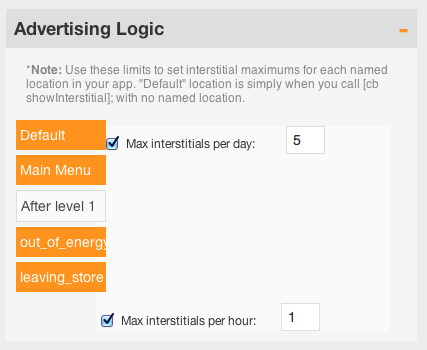 Limit impressions per day or per hour.
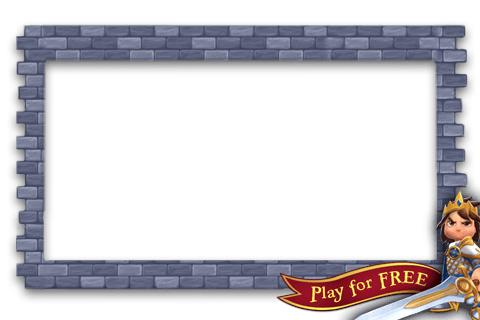 Flaregames’ awesome frame in Royal Revolt.
 Tune those settings!
 Out with the bad, in with the good.


